Explore how autonomous agents and robotics are being deployed together in the USA and UK through real-world case studies. Learn about architectures, technologies, applications, challenges, and best practices driving the next generation of autonomous systems.
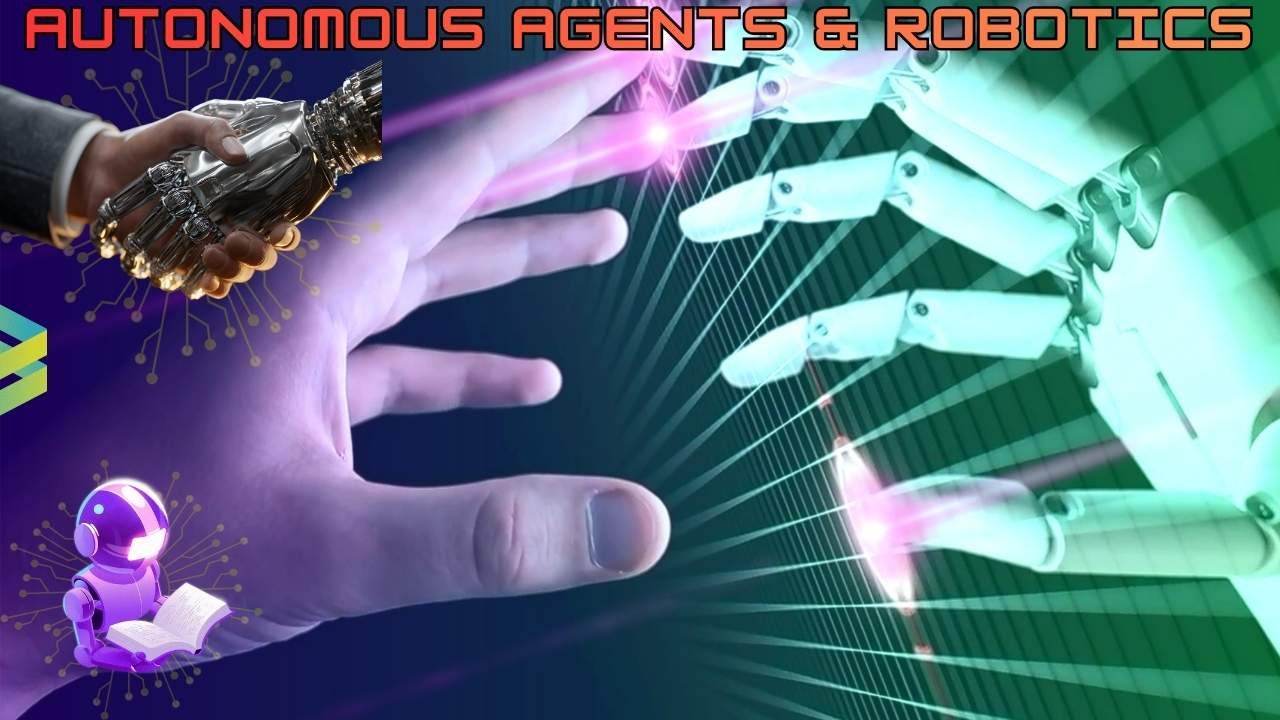
The convergence of autonomous agents (software systems capable of sensing, reasoning, and acting) and robotics (physical systems that act in the world) is unlocking transformative applications across industries. The distinction between “agent” and “robot” is blurring: robots now embed intelligent agents; agents orchestrate fleets of robots. As noted by Boston Consulting Group, autonomous agents “represent the next step in the evolution … by being adaptable and using reasoning, rather than relying on hard-coded rules.”
In this blog, we’ll examine how autonomous agents and robotics are being deployed together — with a focus on case studies from the USA and UK. We’ll explore architectures, domains, benefits, challenges, and key takeaways for organisations planning to adopt these systems.
In the USA (and UK) logistics, last-mile delivery is a hotbed for agent-robot deployment. Starship Technologies, headquartered in the US, has developed autonomous delivery robots for sidewalks and campuses.
Highlights:
Key takeaway for practitioners:
Start small (campus, defined zones), ensure robust sensing/perception, adopt agent logic for decision-making, plan for public/regulatory interface.
In the UK, a prominent example is the ORCA Hub (Offshore Robotics for Certification of Assets) project, integrating autonomous robotics and agent systems for offshore energy platforms.
Highlights:
Key takeaway:
For high-risk domains (oil & gas, energy), the integration of agent reasoning and robotics pays off — especially when reliability, safety, nd human-robot trust are mandated.
Another illustrative scenario is long-term autonomous inspection in industrial facilities, using robots with intelligent agents for mission planning and execution. For example, the AutoInspect system (UK) ran for weeks in nuclear/fusion plants, combining mapping, mission execution, and scheduling.
Highlights:
Key takeaway
When you need persistent, autonomous operations, building in agent-level reasoning (task-level planning, failure recovery) and robust robot hardware is critical.
Deploying autonomous agents and robotics together yields several business benefits:
From a strategic point of view, organisations in the USA & UK adopting these systems can differentiate, cut costs, and open new markets leveraging the synergy of agent-robot integration.
However, the combination comes with non-trivial challenges:
For organisations in the USA and UK planning to deploy autonomous agent + robot systems, here are the recommended best practices:
The synergy of autonomous agents and robotics creates powerful systems that can operate in complex real-world settings with minimal human intervention. The case studies from the USA and UK demonstrate how these integrations deliver safety, efficiency, and new business models — while also highlighting the technical, regulatory, and human-experience challenges.
For organisations ready to embrace this frontier, the key lies in thoughtful architecture, layered autonomy, robust sensing, team alignment, and performance measurement.